

It's easy to tell when you need to dust your furniture or clean the floors, but what about the air inside your house? The EPA finds that indoor air can hold exponentially more contaminants than outdoor air. Dust, mold spores, volatile organic compounds and other irritants flowing through your HVAC system can trigger allergies, asthma and other respiratory conditions, making it important to examine effective indoor air quality solutions in Cedar Rapids and Iowa.
1. Keep a Tidy Home
A clean living space is the foundation of fresher air and allergy relief, but allergens like pet dander can collect quickly. Sweep regularly, and frequently clean your bedding and drapes to decrease dust and remove odors. You can also invest in air quality solutions like whole-home air purifiers, UV-C/UV light air purification, HEPA filtration and MERV filters to decrease airborne irritants and viruses.
2. Choose Safer Cleaning Products
Many conventional cleaners produce chemicals like chlorine and ammonia that remain in the air. Read product labels carefully and opt for all‑natural, organic options to eliminate introducing unnecessary chemicals. You can also create simple, effective DIY cleaning solutions with pantry staples like vinegar and lemon juice.
3. Remember to Change Your Air Filters
Your HVAC system uses filters to collect allergens and airborne impurities, but if these filters get dirty, they won't operate correctly. Allow your heating and cooling equipment to work more efficiently by changing the filters on schedule. Note your calendar or set a phone reminder to keep a fresh indoor environment.
4. Control Humidity Levels
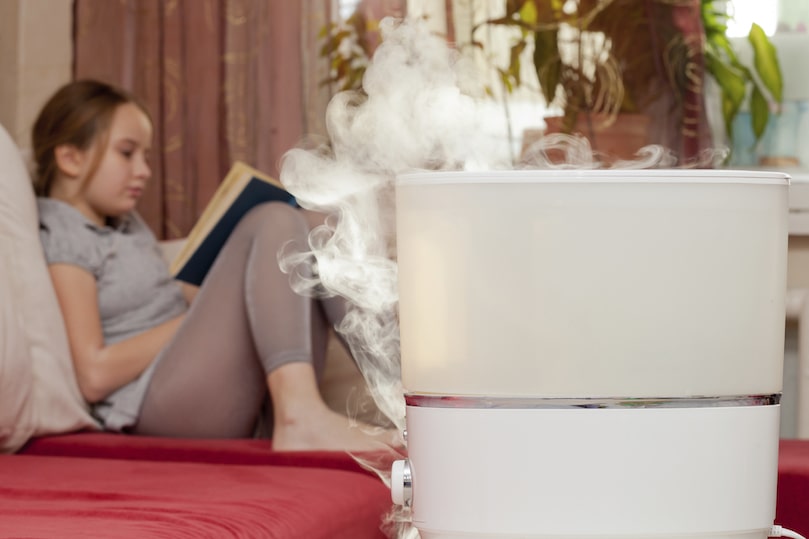
Ideal humidity (around 45%) is important for home comfort and health. Too little moisture can create dry skin and respiratory irritation, while too much fosters harmful mold growth. Humidifiers and dehumidifiers are simple indoor air quality solutions in Cedar Rapids and Iowa that ensure reliable mold and mildew protection and keep healthy seasonal humidity control.
5. Add Air‑Purifying Plants
Houseplants like pothos, snake plants, spider plants and aloe vera naturally remove toxins and release oxygen while enhancing any room. These species boost your home's air quality and require little maintenance from you in return.
6. Schedule Professional HVAC Maintenance
Poorly maintained air ducts, heating or AC systems can disperse pollutants and diminish your IAQ. That's why professional duct cleaning and sealing and HVAC tune‑ups are among the most beneficial indoor air quality services for long‑term health.
7. Safeguard Against Hidden Hazards
Carbon monoxide and radon awareness is essential to avoid the invisible threats posed by these two toxic gases. Set up detectors to shield your family and keep your home breathable, then consistently test them to ensure they work properly. Professional HVAC inspections can also identify ventilation issues that may threaten your safety.
Invest in Indoor Air Quality Monitoring and Testing
Even if you are thorough about cleaning and maintenance, it's challenging to know what's in the air you're breathing. When you arrange indoor air quality monitoring and testing in Cedar Rapids and Iowa, HVAC technicians can assess your home's air for pollutants, humidity levels and airflow issues, then advise targeted improvements to improve comfort and efficiency.
Modern technology makes this process even simpler. Smart thermostats and indoor sensors can record temperature, humidity and air quality in real time, helping you fine-tune your system for healthier IAQ and lower energy costs. Spotting seasonal humidity problems, energy efficiency and airflow restrictions lets you maintain comfort while preventing future problems.
Breathe Easier With Indoor Air Quality Solutions in Cedar Rapids, Iowa
Bettering your IAQ doesn't require drastic changes. From regular cleaning and filter changes to mindful choices and professional maintenance, these practical indoor air quality solutions in Cedar Rapids and Iowa help you build a healthier environment for your family.